BEST READS 2025
By Mitali Chakravarty
Making a list of top ten books is always a tough task for me. I think every book has a bit of fairy dust to sprinkle our lives and our times with a tiny amount of colour or magic. I have tried to list some books I have read and loved. I admit I have limited reading -- perhaps I’m not even as widely read as some of you. And there are many more books I love and many I want to read. But since I had to choose, here are some books that may not even make it to all top ten lists. But then there are probably some that will.
Well, to start with is one that will probably be in many lists. The one that took my breath away is Dan Brown’s latest novel set in Prague, The Secret of Secrets. It deals with noetics — the study of the intellect and the inner mind — but there’s thrill there. Brown ascends beyond the intellectual and spiritual to the corporeal adventures of Robert Langdon and Katherine Solmon, the attractive noetics expert. The best seller has mystery, murders, romance, gore and history. The science, I heard from some, is hand-wavy. But given all, it’s a fabulous relaxing, gripping read.
Ruskin Bond is neck to neck with the best writers in the world for me. This time Kolkata airport yielded Bond’s Stories to Live By. This is a collection of memoirs, short stories and even some poetry — all set around the hills of Landour and Dehradun where Bond thrives. Though I have never been a fan of Bond’s poetry, I liked the ones here. They capture the spirit of the book well. Here are a few lines of one of them --
“Whether by accident or design,
We are here.
Let’s make the most of it, my friend.
Make happiness our pursuit,
Spread a little sunshine here and there.”
Lines that are pragmatic and yet sweet! This is an endearing collection filled with love for all and sundry in a distinctive ‘Bondsean’ universe. It’s a book that cheers you and can be read anywhere at any time.
Then, I would move on to Audrey Trushke’s India, 5,000 years of History on the Subcontinent. Though the book is steeped in controversy, what I enjoyed most was that she tried to relate history from the perspective of common people, a rarity among academia. And she has interesting facts, which I would tend to believe as they map out with histories around the world, one such being that Mohenjodaro-Harappa probably collapsed from lack of sanitation! I also like the way she deals with women.
Moving closer to the subcontinent, I absolutely loved Somdatta Mandal’s translation of Jaladhar Sen’s The Travels of a Sadhu in the Himalayas. Written from the perspective of a Bengali gentleman in the nineteenth century, it is loaded with witty humour and has beautiful descriptions of these majestic mountains. Some of the narratives around false sadhus are really funny. Mandal is also an excellent translator. She uses words in a way to even introduce changes in dialect and language.
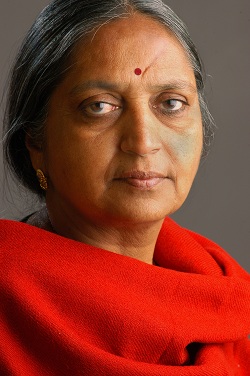
Continuing with translations, Aruna Chakravarti’s Rising from the Dust: Dalit Stories from Bengal is an interesting read. The stories address contemporary and historic issues while keeping the flavours of Bengal intact. The quality of translation is superb with Chakravarti being one of the pioneering Indian translators of Tagore’s works into English. While the narratives hold you in their sway, what I found outstanding was the translator’s selection. She selected the stories, as she said in her preface, to show that the people in these narratives could not be labelled as a single community and each group faced distinctive issues that called for unique solutions.
In poetry, there is a lovely selection called 50 Greatest Poems, an anthology spanning centuries. We picked it up at the airport. It takes you through all the traditional favourites, like Shakespeare, Wordsworth, Emily Dickinson and Blake to more contemporary ones like Sylvia Plath, Langstone Hughes, William Carlos William. It has the flavour of Palgrave’s Golden Treasury.
Returning to non-fiction, one book that is worth reading is Anuradha Kumar’s Wanderers, Adventurers, Missionaries: Early Americans in India. She has given stories of thirty Americans who opted to explore the Indian subcontinent – including, Ida Scudder, founder of the Christian Medical College at Vellore to the colourful Nilla Cram Cook, a dancer who turned to Hinduism as ‘Nilla Nagini Devi’, and even the Alter family whose best-known progeny was the late Tom Alter. This is a book that weaves narratives of a universe without borders.
Another non-fiction which I would like to recommend as one that transcends borders is Widows: A Global History by Mineke Schipper. It’s a cultural history of the world which shows that in the past, husband-less women were treated terribly across the world. In certain cultures of Europe, they were burnt or killed. In Africa, it was worse. But with education, things improved in these places. But has it improved in the Indian Subcontinent? I was left with this lingering thought in my mind, why are things not getting better not only for widows (even though technically ‘Sati’ has been banned) but also for many other women in the Subcontinent … definitely a thought-provoking book.
Perhaps, one should wander back to lighter themes, and I would always recommend my all-time favourites in every list I make. I returned to rereading these books for my own writing this year, Aruna Chakravarti’s Jorasanko and its sequel, Daughters of Jorasanko. Focussed on the Tagore family, these narratives revive the Bengal Renaissance. They show how the writer of the Indian and Bangladeshi national anthems opposed the Partition of Bengal. These are novels that revive syncretic lores, the dignity of women, the humility that made the writer into a legend – though he never wanted to be deified. To me these are values that make these historical novels eternally relevant.
And the last one — I do not know if this is the eleventh book, but I would like to treat the two Jorasanko novels as one unit — Professor Uma Das Gupta’s A History of Sriniketan: Rabindranath Tagore’s Pioneering work in Rural Reconstruction. Other than the fabulous amount of scholarship that went into this book, I love the way it highlights that Tagore saw himself as an NGO and chased the Nobel Prize only to raise money for his Sriniketan project. It shows why his poetry and songs throbbed with empathy and the need to raise consciousness, why his plays and novels often had heartrending pathos.
Everyone should understand I suffer from Tagore addiction, so if you don’t agree with my list, write and tell me why? Tell me what you like to read.
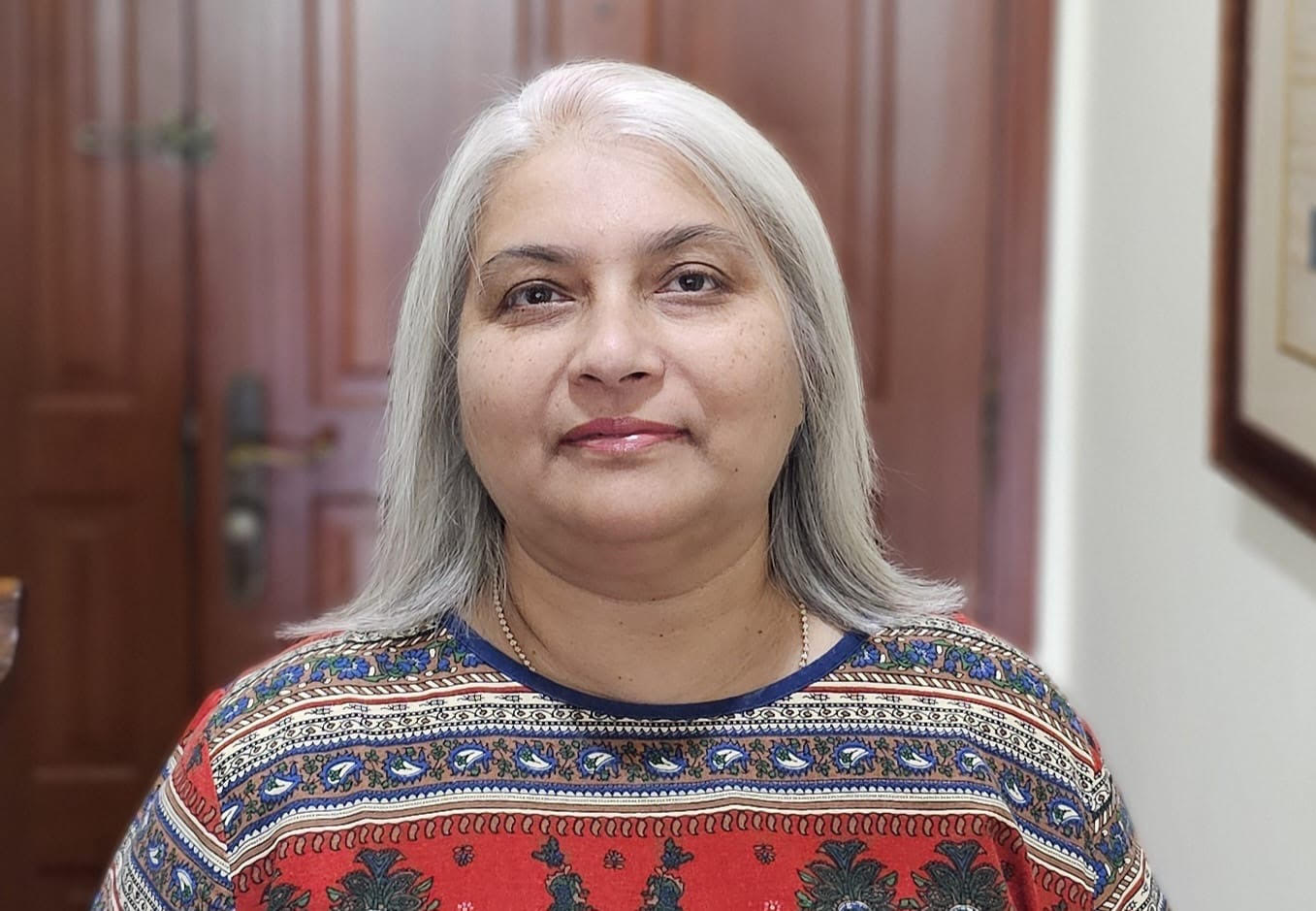
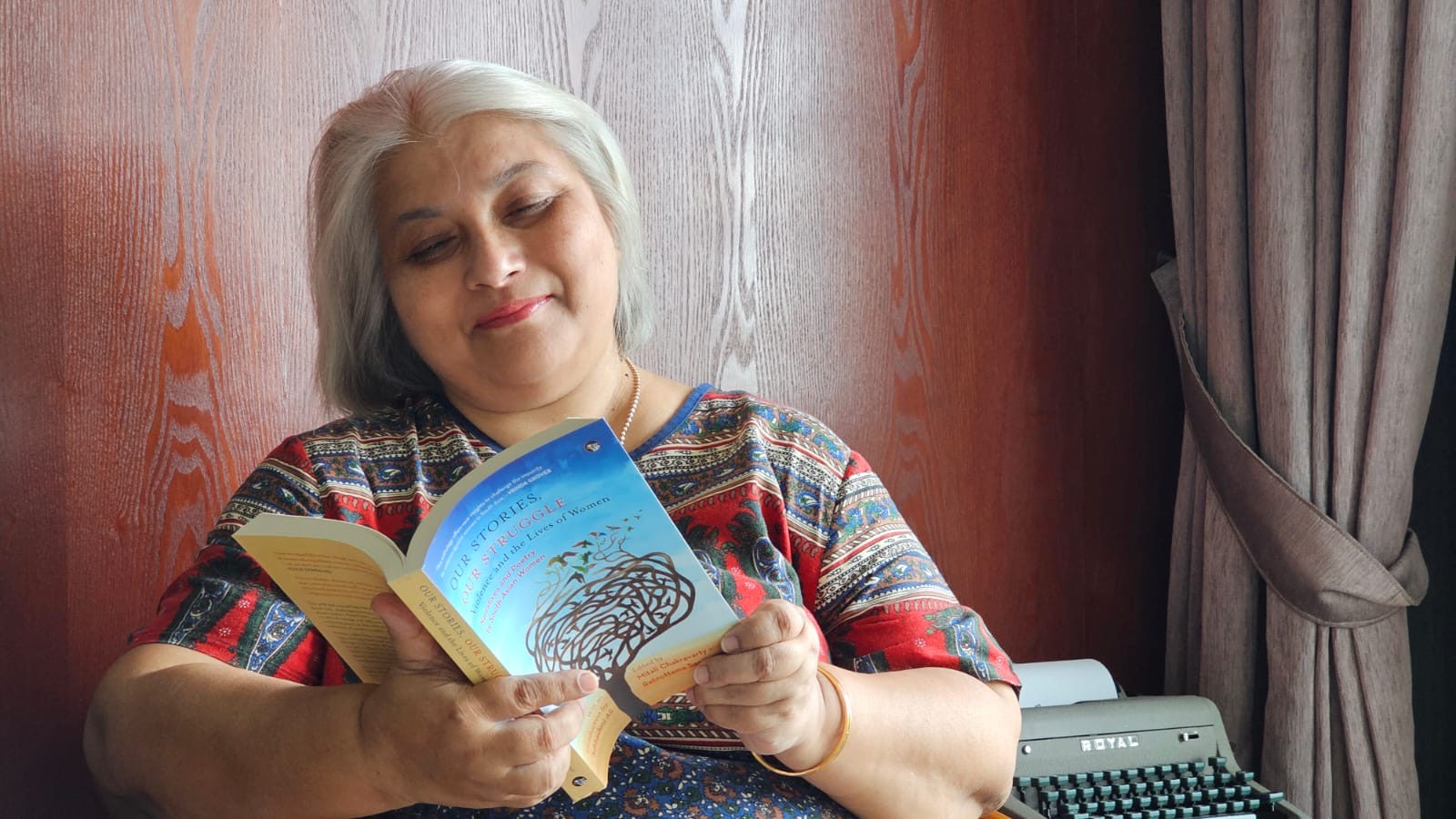
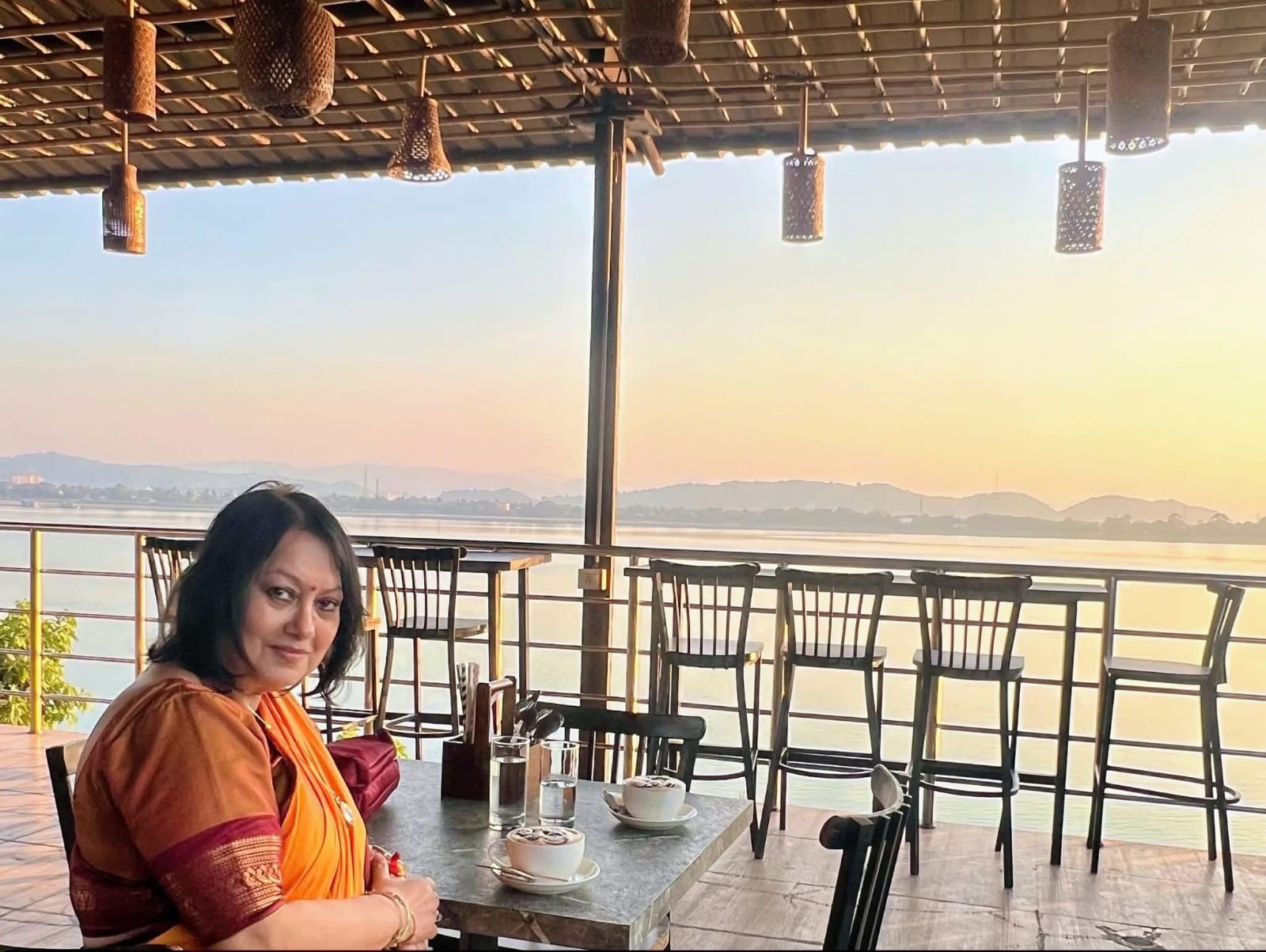
Mitali Chakravarty dreams of writing great books but is still wondering what makes a book great. Meanwhile she wafts on clouds, where rests borderlessjournal.com. She has authored four books, edited two anthologies and has been published widely


.jpg)







 (1).jpg)