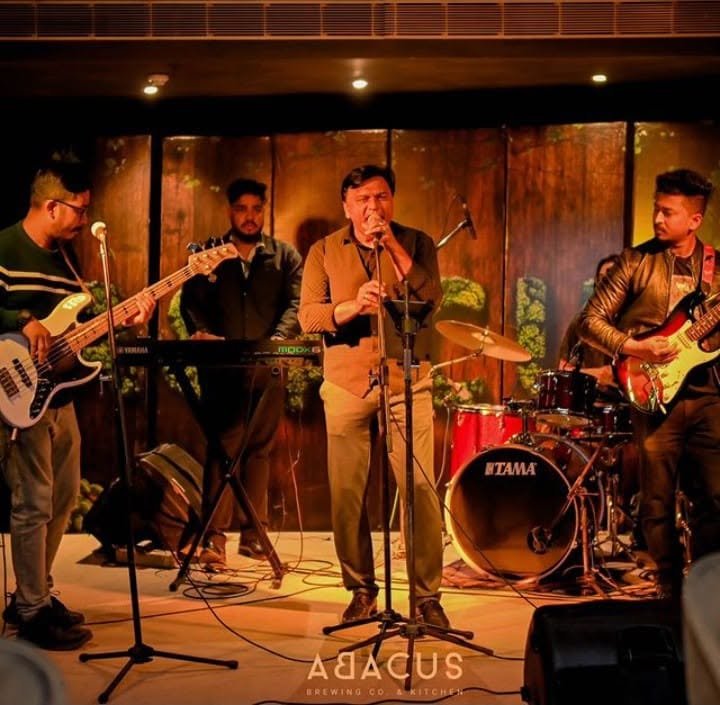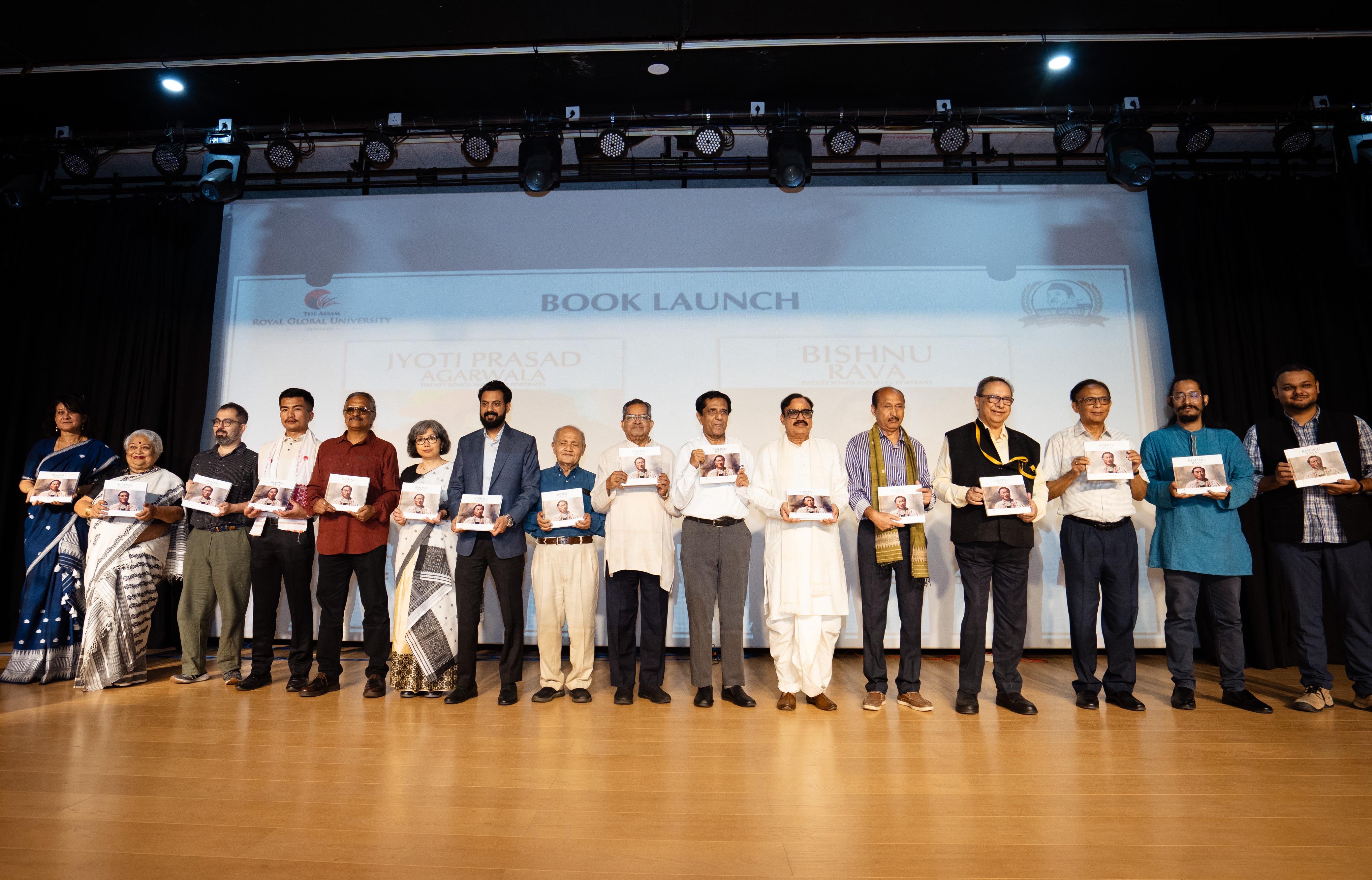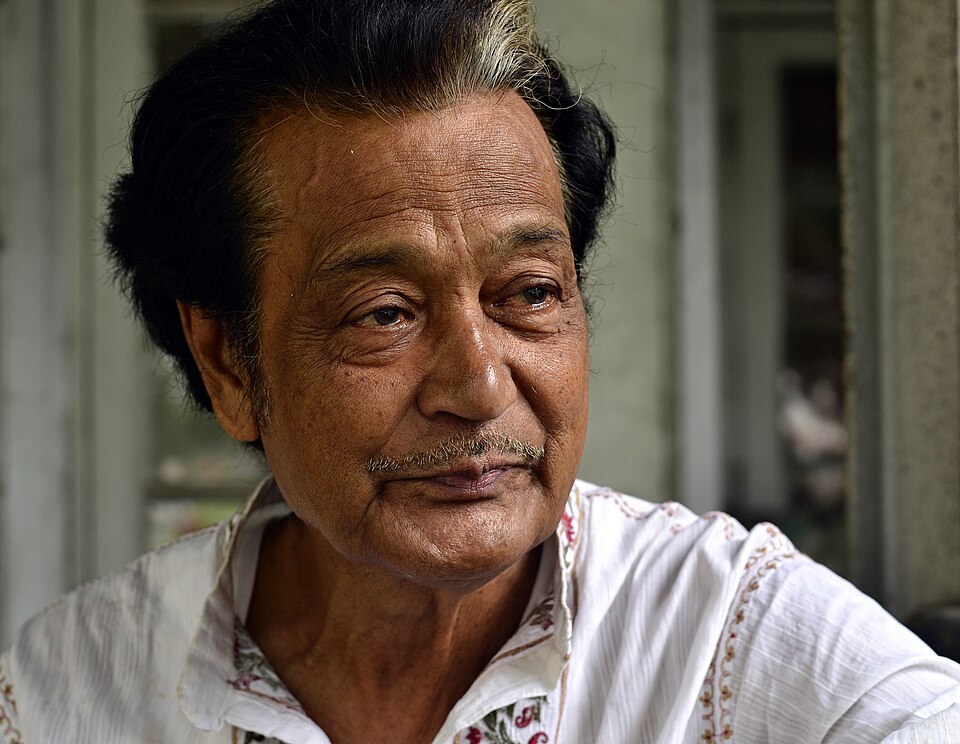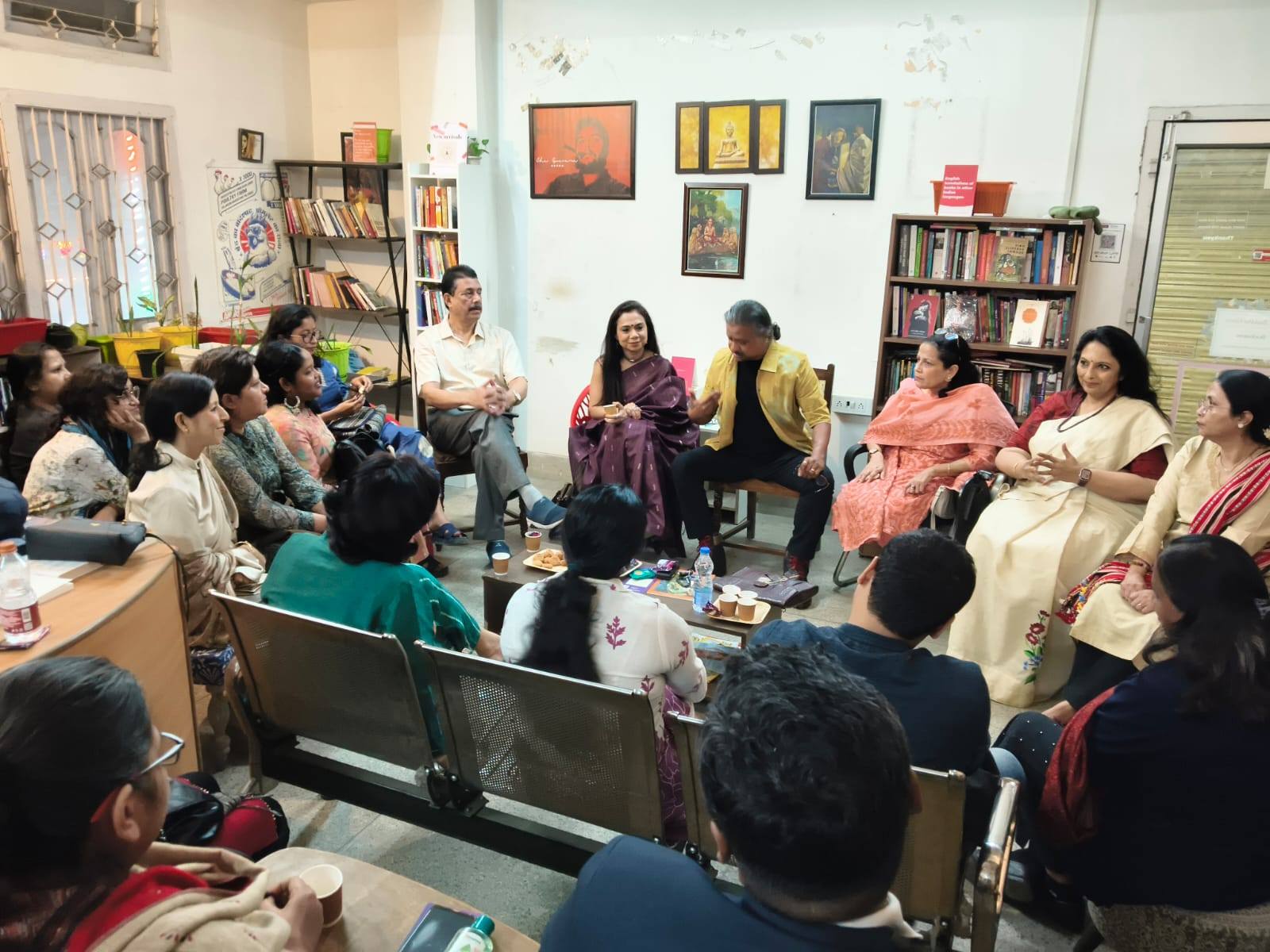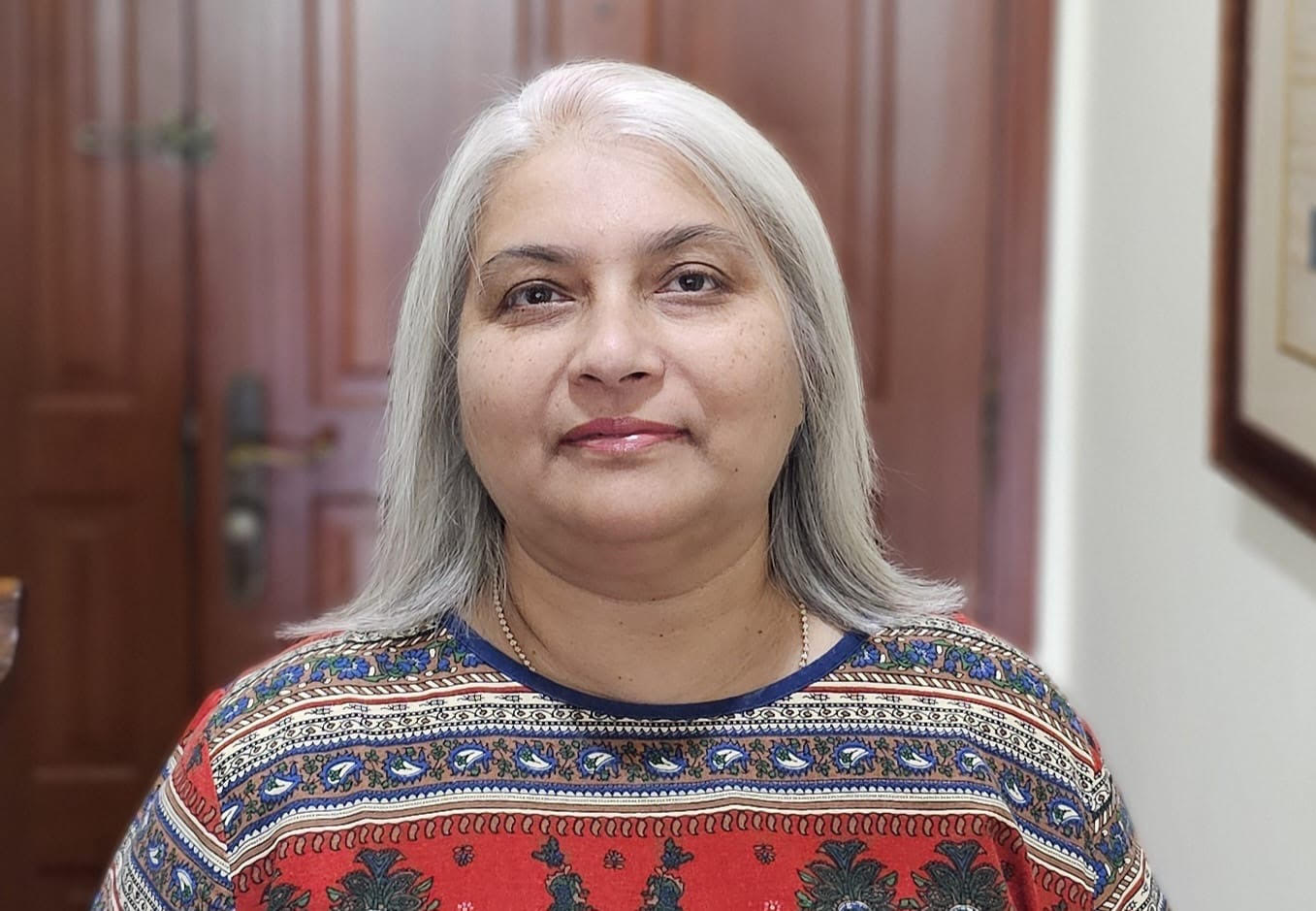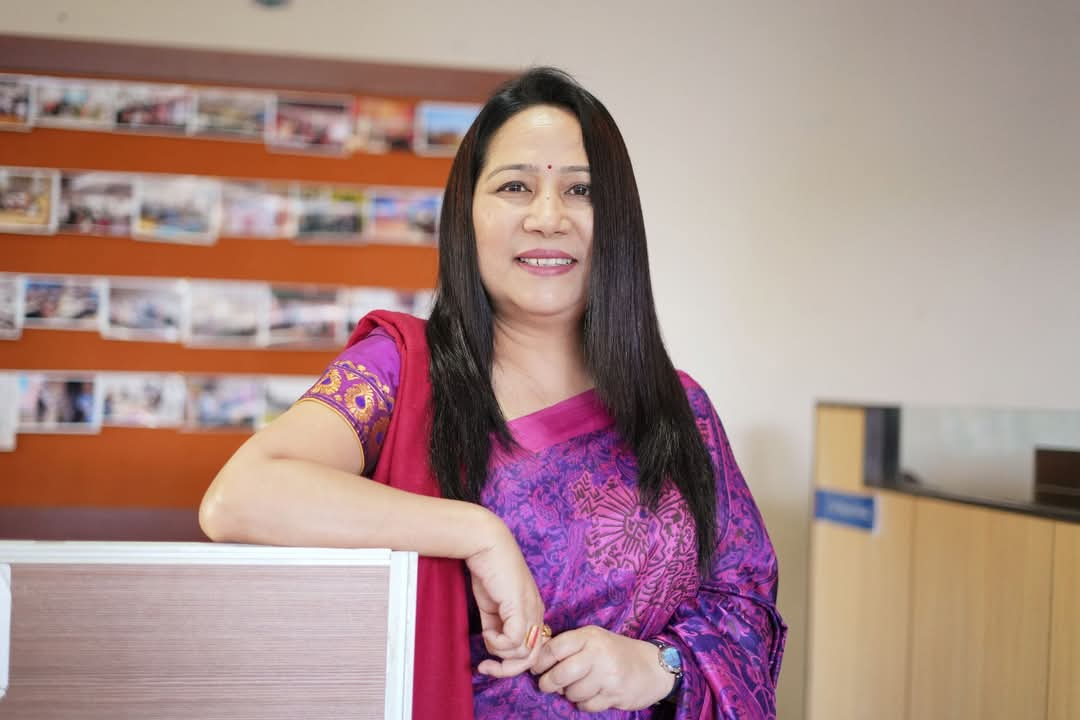
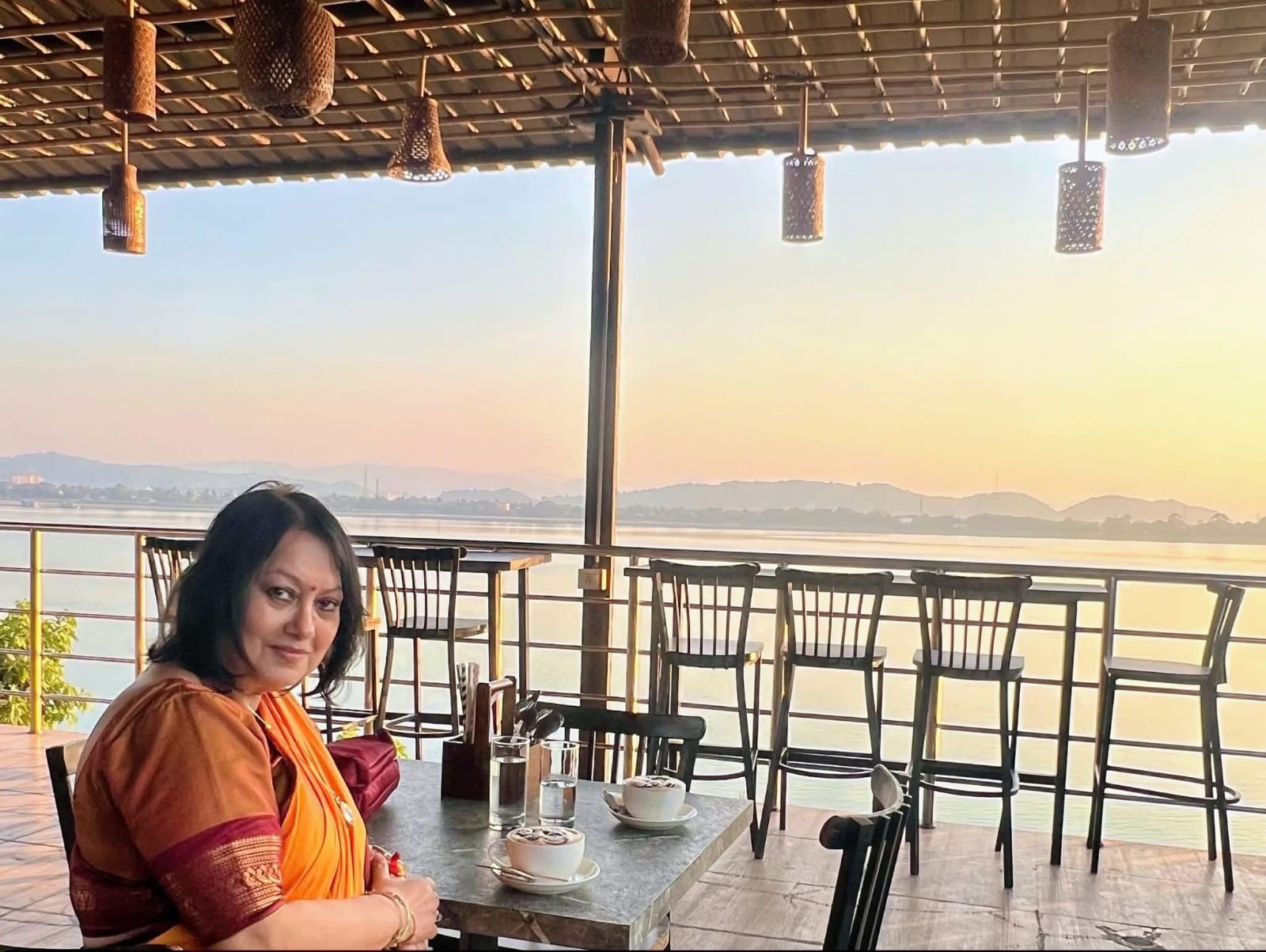
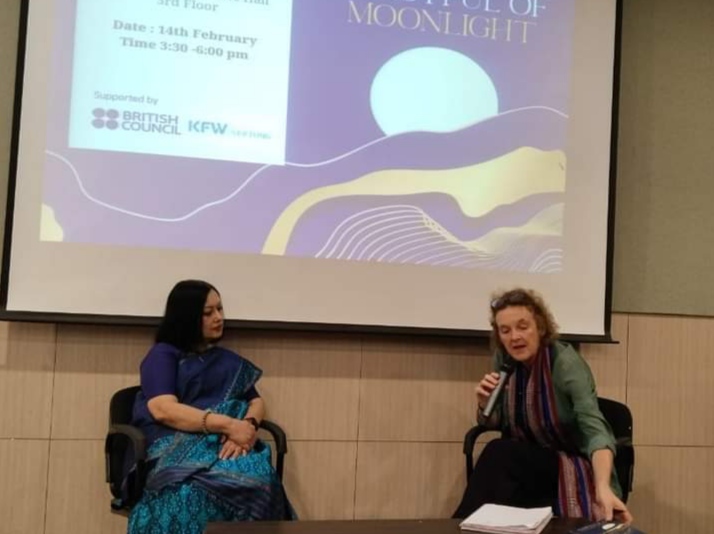
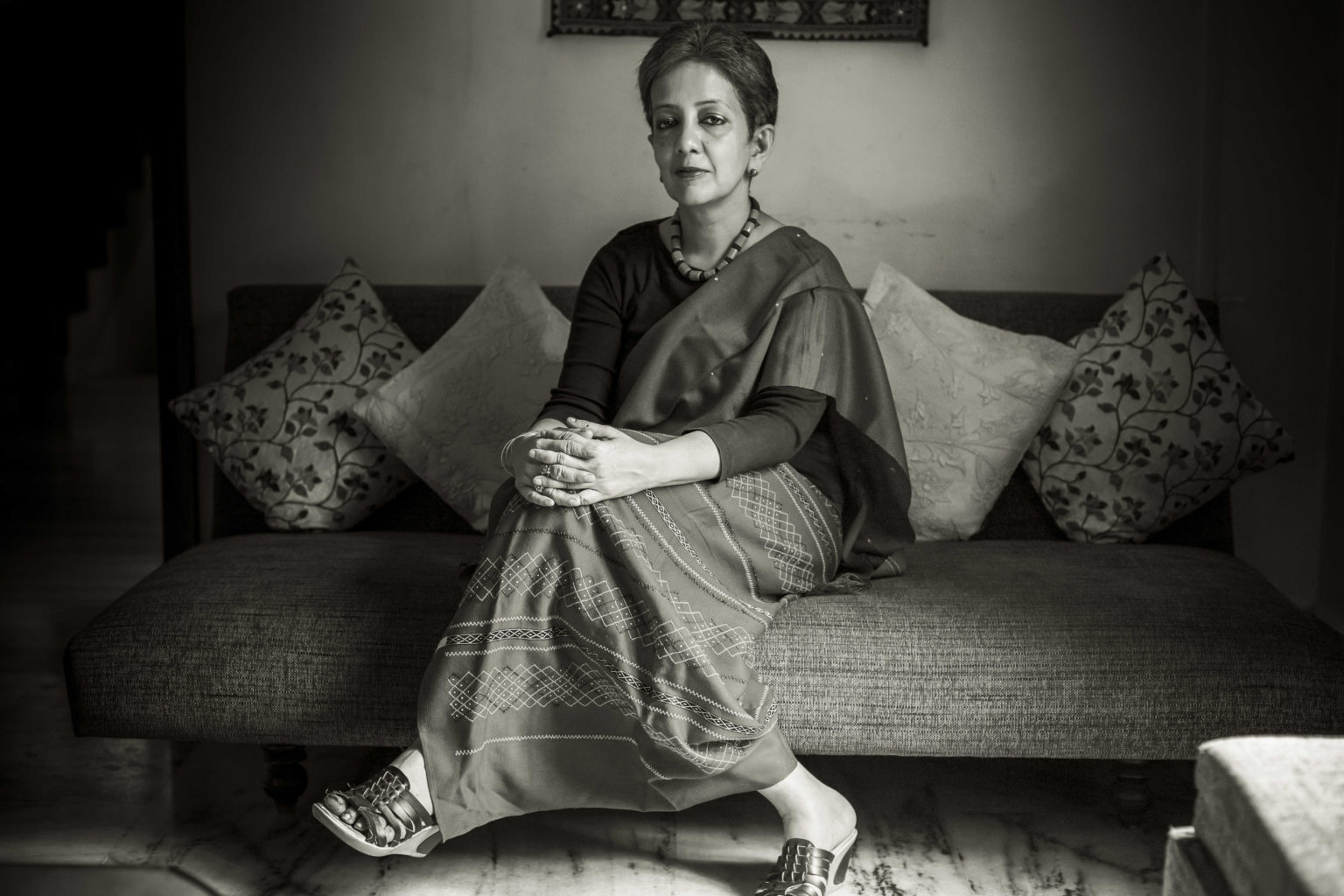
Dr Florence Handique Rabha has been the HOD of Royal School of Communications and Media in The Assam Royal Global University since 2017. She is MA (English) (from Punjab University), B.Ed. and has done her Masters in Communication and Journalism (from Gauhati University, 2012 batch). She has nearly 30 years of teaching experience, loves her work and follows her passion. With 17 years of work experience in the media, both radio and television, since 2004, she has hosted more than 400 TV talk-shows on various topics in various TV channels in Guwahati and has acted in TV serials and few meaningful films. She has been a prominent TV News Anchor for ten years and a popular Radio Jockey for two years. She has authored the much-appreciated coffee-table book - ‘Celebrating Womanhood’ (based on her TV talk-shows on remarkable women from Assam) published in 2012. She worked for Ne Television (the first private satellite TV channel of Northeast), DY365 and Doordarshan Northeast as a news presenter and talk-show host for 17 years (till 2021) and had wonderful stints as RJ for Radio Oo la la and Radio Gup Shup in 2007 & 2008. Her last feature film – Gangs of Northeast was released in 2017. In 2008 her Hindi short film- Ganga was awarded for highlighting social issues at the International Independent Video & Films Festival in New York. The film carries a strong message against female foeticide. She speaks to ThumbprintNE on media education in Northeast India
What are the challenges facing media education in the country?
Ans. The rapidly evolving media landscape, technological advancements, and changing audience preferences pose significant challenges. Additionally, bridging the gap between theoretical knowledge and practical skills, ensuring industry relevance, and addressing funding constraints are key concerns.
Do you think the syllabus of media schools be tailored according to the socio-political milieu of the region?
Ans. Absolutely! Media schools should consider the regional context to make education more relevant and impactful. This approach enables students to understand local issues, cultures, and audience needs, ultimately producing more effective media professionals.
Do you think print media will survive the ravages of technology?
Ans. While technology has disrupted traditional media, print media can still thrive by adapting to digital formats, focusing on niche audiences, and emphasizing quality content. Print media's survival depends on its ability to evolve and innovate.
How do you think AI will decide the fate of the media in the future?
Ans. AI will significantly shape the media industry, from content creation to distribution and consumption. Media professionals must develop skills to work with AI tools, understand data analytics, and focus on high-value tasks like storytelling and creative direction.
Do you think media literacy should start early? From school?
Ans: Media literacy is essential in today's digital age. Introducing it in school can help students develop critical thinking, analyze information effectively, and become responsible media consumers and creators.
How do you think students can be taught to resist misinformation and fake news?
Ans. Students can be taught to resist misinformation by developing critical thinking skills, learning fact-checking techniques, understanding media biases, and recognizing the importance of credible sources. Hands-on training and real-world examples can also help.
What kind of multimedia techniques are taught in your University? How will it equip the students for the future?
Ans. At The Assam Royal Global University, we teach a range of multimedia techniques, including video production, audio storytelling, digital journalism, and social media marketing. These skills equip students for the future by enabling them to adapt to changing media landscapes and audience preferences.
Do you think enough is being done in the field of media research?
Ans: While there have been significant contributions to media research, there's always room for more. Encouraging interdisciplinary research, collaboration between academia and industry, and focusing on regional issues can help advance the field and address emerging challenges.



.jpg)













 (1).jpg)