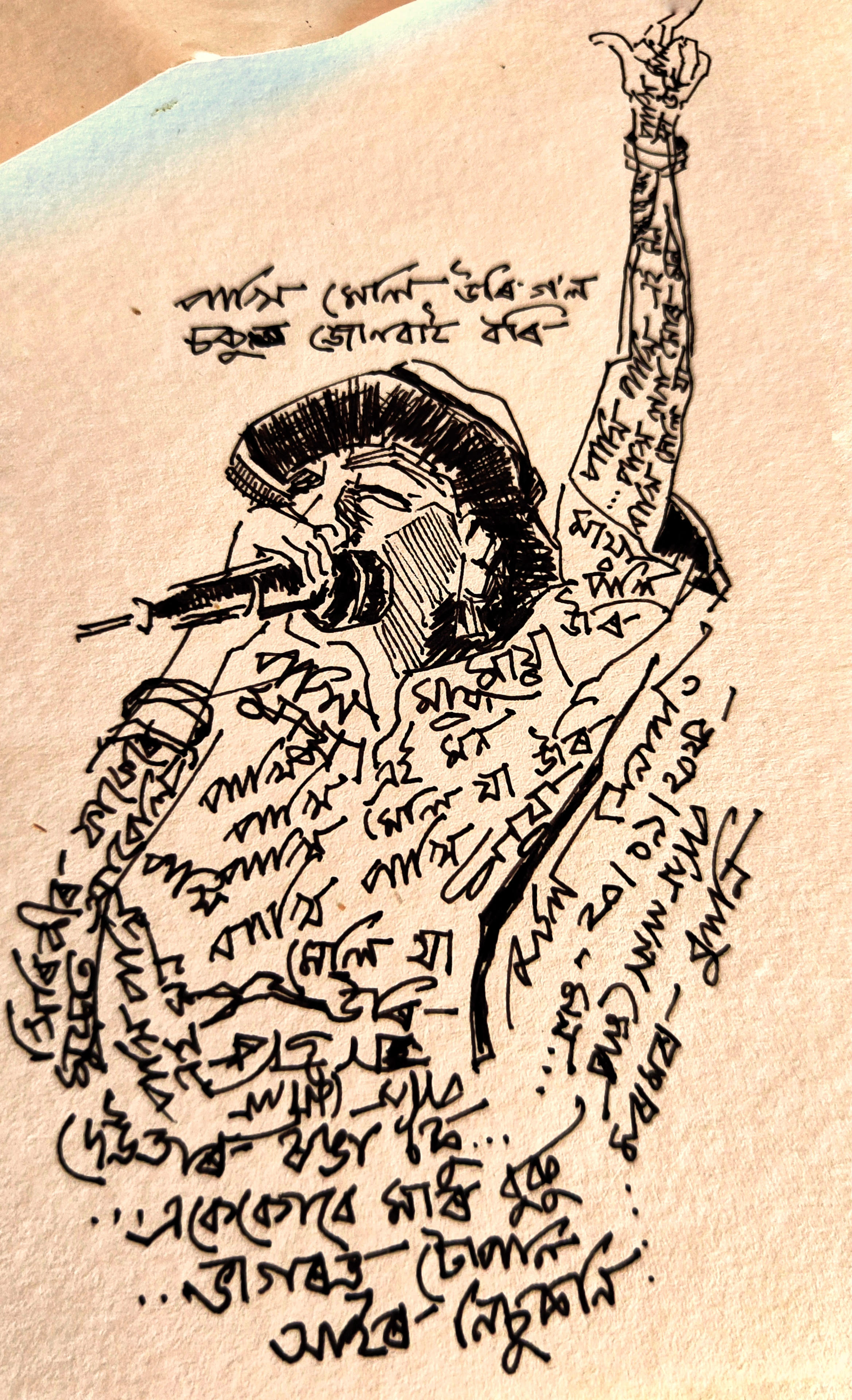
And so on this birthday, Par Hoi Gol Dumuha Ejak once again floats through the air, writes Sattyakee D'com Bhuyan
The first few notes arrive before the memory. They always do.
A familiar phrase from Par Hoi Gol Dumuha Ejak drifts through the room and suddenly June acquires another colour. Time loosens its grip. The years retreat like a fading chorus and I find myself listening not merely to a song but to an entire neighbourhood awakening from somewhere deep within memory. I hear footsteps on the old roads of Uzanbazar.
I hear laughter floating out of open verandahs. I hear rehearsals escaping through half closed windows. I hear conversations that begin with music and end long after midnight.
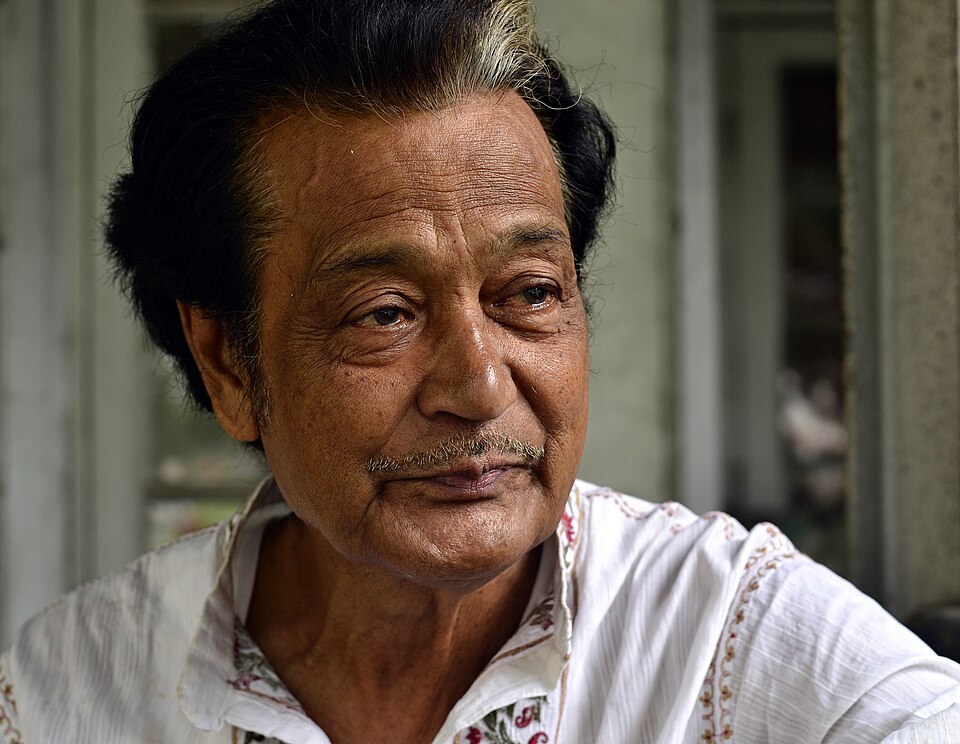
And moving through all of it, unhurried and immaculate, is Ramen Barua. Today, on what would have been his birthday, I find it difficult to think of him in the language of dates, awards and accomplishments. Those belong to history. The Ramen Da I remember belongs to something far more intimate.
He belongs to sound. To pauses between conversations. To piano keys awakening in distant tea gardens. To an old organ inside New Art Players. To evenings that seemed incapable of ending. To Uzanbazar itself. For those of us who grew up there, Uzanbazar was less a neighbourhood and more an ongoing composition. Every lane carried a different rhythm. Every household contributed a different note. Actors, musicians, broadcasters, poets and dreamers moved through the locality like instruments in a well rehearsed orchestra. Nobody announced a performance. Life itself provided one.
The Baruas lived a few notes away from us. The Choudhury's, another phrase further down. Friendships flowed effortlessly from one household to another. Doors remained open. Tea cups travelled freely. Stories travelled even faster.
My father, the late Dhiru Bhuyan, shared an especially close friendship with Ramen Da. Along with another dear friend and neighbour, Ramen Das, known to everybody as Babloo Da, they formed a trio whose adventures still echo through conversations whenever old Uzanbazar gathers to remember itself. One afternoon after a fiercely contested cricket match at Latasil Ground, Dabu and I returned home coated in dust and triumph. Standing before us was Ramen Da. For reasons known only to childhood, I reached out and ran my hand through his silky hair. The reaction was immediate. "Do not touch my hair with those dirty hands." The rebuke arrived with such force that I nearly dropped my cricket bat. Then came the explanation. "I take care of every strand." At that age I thought he was joking. He was not. Later he told me that he never visited a barber. Instead he sat before two carefully positioned mirrors and trimmed his own hair. Patiently. Methodically. Almost like a musician tuning an instrument before a concert. Every strand mattered. Every detail mattered. That was the man.
Looking back, I realise he approached music the same way. Nothing careless. Nothing hurried. Everything in tune. He possessed another quality that seems increasingly rare today. He carried romance wherever he went. Not the romance of cinema. The romance of living. My father often narrated stories of how he, Ramen Da and Babloo Da would suddenly decide to travel to Dibrugarh or Moran to the tea gardens where my Zetha Dulal Barua served as manager. Attabari. Romai. And several others whose names now sound like old melodies. The tea clubs of those years possessed a certain elegance. Polished floors. Gentle conversations. Soft evening light. And almost always a piano waiting quietly in a corner. The moment Ramen Da spotted one, the evening acquired a new rhythm. He would sit down and begin to play. Before long conversations dissolved into music. People drifted towards the dance floor. Couples found their steps. The room found its pulse. And for a few magical hours the piano became the centre of the universe.
Throughout my childhood another image remained constant. Ramen Da in his spotless white kurta and pyjama. Always white. Always pristine. And what fascinated me was how he managed to remain untouched by the muddy monsoon roads of Uzanbazar. The answer lay in his stylish walk. Hands gently clasped behind his back. Measured steps. A soft forward glide. He seemed less to walk than to move in tempo. Even the rain appeared reluctant to disturb his immaculate attire.
On his frequent visits to Calcutta for musical assignments he would seek out master craftsmen hidden within the bustling arteries of Kalakar Street, Hariram Goenka Street and Hogg Market. There he commissioned exquisite embroidered kurtas long before designer fashion became fashionable. Some of those same artisans would later embroider special mekhelas for my mother through his recommendation. He possessed an eye for beauty that extended far beyond music. Yet my most cherished memory remains tied to the old New Art Playersclub house near Joor Pukhuri. As youngsters we would quietly gather outside and peep through the curtains. Inside sat Ramen Da before a small organ.
The room would be still. Then a note. Another note. A pause. A return. We were witnessing melodies being born. We simply did not know it.
Years later he could still be found in familiar places. Sitting at the historic bench outside Ideal Pharmacy. Spending time at New Art Players after it shifted to Ariz Path. Or dropping into our home at 6 Bhuyan Howely where conversations wandered through music, theatre, a drink at times and memory with equal ease. Then came the morning of July 22, 2024. A morning that remains difficult to understand. At 84, he left home intending to go for a walk (maybe). He never returned. CCTV footage later captured him walking towards the Brahmaputra near the Gauhati High Court. After that, silence. An unbearable silence. Search teams searched. Questions remained. Answers never arrived. Even today, the mind refuses to accept what the heart already knows. Perhaps because some people become so deeply woven into the soundtrack of our lives that their absence feels impossible. And so on this birthday, when Par Hoi Gol Dumuha Ejak once again floats through the air, I find myself listening carefully. The gentle figure in white. The perfectionist with the immaculate hair. The composer behind half opened curtains. The friend who filled our home with conversation. The neighbour who made Uzanbazar sound the way it did. The song may pause, but certain melodies seem destined to outlive silence itself. Ramen Barua remains one of them. Even today, somewhere in the collective memory of Uzanbazar, one senses that the music has not ended at all. It has merely drifted beyond hearing, continuing its journey like a familiar tune carried by the evening breeze across the Brahmaputra, still searching for its way home.


.jpg)






 (1).jpg)