To discuss poetry written in Northeast India is an enormity of tasks. Firstly, to share commonalities from the different matrixes and cultures of the region; secondly, to pin point the major themes of the poets writing in different languages invested as they are with stark realities. However, if we posit a reductionist theory of their poetry, discovering only the violence that is prevalent in their poetry and the attendant brutalization of society we will be doing grave injustice to a body of work kneaded by cohesiveness, lyricism and a well ordered world of sanity. To complement this there also exist a group of English poets who share the Romanticism and mythopoeic vision of their vernacular counterparts.
\r\n
\\r\\n
\r\n
These give to these poets a universal coherence, not an inchoate disorderliness, a world view where love matters; love in its many sided dimensions touching on immutable relationships. In many cases the love for the land and the love of intense relationship coalesce into vastness of images. These poets are imagistic, Romanticists; cannot forget their hills and valleys and the intrinsic beauties of their land now sullied and tarnished.
\r\n
\\r\\n
\r\n
Northeast Indian poetry has a remarkable whole, and is marked by the kind of tension which generates all great poetry; it may be at one level the poetry of violence, of torpidity and fear but it is also the poetry of searching, soul searching for peace.
\r\n
\\r\\n
\r\n
Among the poets who write in English there is the remarkable expression of mythology and folk-tales, whether in the poetry of Robin. S. Ngangom, Desmond. L. Kharmawphlang, Temsula Ao or Mamang Dai. The search for the past is no escapism; it is a hiatus, gripping and painful, between past and present. The myth of Nohkalikai for example pervades the bi-lingual poetry of the poets in Shillong. Even in Robin. S. Ngangom’s poetry there are such typical and mythological allusions- he has been living in Shillong for the last thirty years or so; but is originally of Manipuri descent.
\r\n
\\r\\n
\r\n
There are two distinct categories of English poets in the region; some are domiciled there like Robin. S. Ngangom, Kynpham Sing Nongkynrih, Mamang Dai, Mona Zote, Nini Lungalang, Janica Pariat and Temsula Ao, while others such as: Anjum Hasan Nabina Das, Nitoo Das, Trisha Bora and Aruni Kashyap live outside the region.
\r\n
\\r\\n
\r\n
However, where does one begin in a discussion or poetry in Northeast India written in a wide spectrum of languages: Assamese, Manipuri, Khasi, Kokborok, Bodo etc.? How does one classify them into a genre of poetry, or is there an urgency to do so? Often considered a homogeneous unit, North East India spells ‘notoriety’ of heterogeneity. We have Manipuri poets, writing in the Bengali dominated Barak Valley of Assam, for example.
\r\n
\\r\\n
\r\n
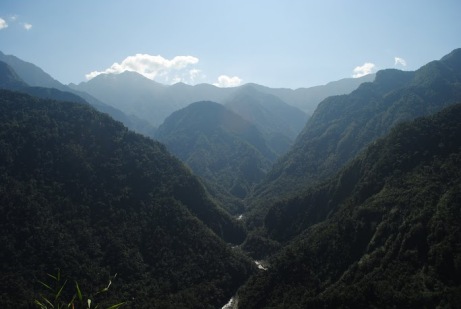
Where is the ‘peace’ then we talked about? Is it in the hills, rivers and lakes or in the mountainous terrain of this beautiful part of the country? Landscaping the past and the present is a recurrent theme of these poets; images embedded in the natural landscape, there is quiescence and peace there, an antidote for all ills, suffering and violence.
\r\n
\\r\\n
\r\n
Yet fears, ghostly apparitions and shadows are omnipresent. Thangjam Ibopishak the Manipuri poet says:
\r\n
\\r\\n
\r\n
“… Volcano… you cannot erupt
\r\n
\\r\\n
\r\n
Volcano, stay asleep…
\r\n
\\r\\n
\r\n
Lava remain slumbering…”
\r\n
\\r\\n
\r\n
(“Volcano You Cannot Erupt”)
\r\n
\\r\\n
\r\n
Similarly in his trenchant poem “I Want to Be Killed by an Indian Bullet” there is layered irony but also rejection of the ideology of violence.
\r\n
\\r\\n
\r\n
When Mamang Dai breaks into rapturous delight, there is peace in bewilderment:
\r\n
\\r\\n
\r\n
“I hear the bewildered
\r\n
\\r\\n
\r\n
cry of a deer
\r\n
\\r\\n
\r\n
floating on the
\r\n
\\r\\n
\r\n
waves of moonlight.”
\r\n
\\r\\n
\r\n
(“Moonlight”)
\r\n
\\r\\n
\r\n
Desmond. L. Kharmawphlang makes the myth of folklore an archetypal and enduring vision:
\r\n
\\r\\n
\r\n
“I became a folktale…
\r\n
\\r\\n
\r\n
I became a proverb…
\r\n
\\r\\n
\r\n
I became a riddle.”
\r\n
\\r\\n
\r\n
(“Last Night I dreamed”)
\r\n
\\r\\n
\r\n
Dreams, visions enter the mindscape like haunting motifs and recurrently, obsessively. This is evident in Chandrakanta Murasingh’s ‘ancient’ love narrative: “The Stone Speaks in the Forest”. There is a myth-making capacity in this poem of a “golden deer” and a “broken heart”.
\r\n
\\r\\n
\r\n
In Saratchand Thiyam’s poem: “Sister” there is a frantic plea:
\r\n
\\r\\n
\r\n
“This rain has not yet let up
\r\n
\\r\\n
\r\n
Don’t go out yet, sister…
\r\n
\\r\\n
\r\n
Haven’t you heard this
\r\n
\\r\\n
\r\n
Sound…
\r\n
\\r\\n
\r\n
Don’t you go at all.”
\r\n
\\r\\n
\r\n
There is a predominating fear of violence, but at the end of the poem there is restoration of peace and equanimity. So long as ‘sister’ is safe; then there is peace.
\r\n
\\r\\n
\r\n
The celebrated Assamese poet Harekrishna Deka, a former police officer, knows the story of violence and bullets only too well:
\r\n
\\r\\n
\r\n
“… After dipping in
\r\n
\\r\\n
\r\n
Blood the nightlong
\r\n
\\r\\n
\r\n
How ruddy the
\r\n
\\r\\n
\r\n
Morning she would
\r\n
\\r\\n
\r\n
Be.”
\r\n
\\r\\n
\r\n
(“Dawning”)
\r\n
\\r\\n
\r\n
Yet, Kynpham. S. Nongkynrih who predominantly writes in English can envision the prophylactic of love in the midst of ethnic conflict:
\r\n
\\r\\n
\r\n
“Beloved Sundori,
\r\n
\\r\\n
\r\n
Yesterday one of my people
\r\n
\\r\\n
\r\n
Killed one of your people…
\r\n
\\r\\n
\r\n
Through a fearful breeze
\r\n
\\r\\n
\r\n
Please let your window open...”
\r\n
\\r\\n
\r\n
(“Sundori”)
\r\n
\\r\\n
\r\n
When Temsula Ao speaks lyrically in her poem: “Stone-People From Lungterok” there is an animated discovery and re-definition of the past. Past is history:
\r\n
\\r\\n
\r\n
“Lungterok, The six stones
\r\n
\\r\\n
\r\n
Where the progenitors
\r\n
\\r\\n
\r\n
And forebears
\r\n
\\r\\n
\r\n
Of the stone-people
\r\n
\\r\\n
\r\n
Were born
\r\n
\\r\\n
\r\n
Out of the womb
\r\n
\\r\\n
\r\n
Of the earth.”
\r\n
\\r\\n
\r\n
Poetry written in Northeast India can be analysed against the backdrop of ethnic violence and militancy/militarism, but it transcends such immediacy into an ideal world bereft of suffering:
\r\n
\\r\\n
\r\n
“… When you leave
\r\n
\\r\\n
\r\n
Your native hills
\r\n
\\r\\n
\r\n
I can only speak
\r\n
\\r\\n
\r\n
of lost times,
\r\n
\\r\\n
\r\n
and of sorrow and blood.”
\r\n
\\r\\n
\r\n
(“When You Do Not Return”)
\r\n
\\r\\n
\r\n
These “lost times” are the halcyon days of past. They are juxtaposed with “sorrow and blood” in almost a violent and forceful imagery. But the ‘lost times’ bring peace to the mind as a token of immutable love.
\r\n
\\r\\n
\r\n
The Northeast Indian poets have an ambivalence, towards militarism, love for the land, ethnicity etc. but these are transcended into love: love for woman, love for the hills, ravines and deep gorges, precipitated by gushing waterfalls; in short love for the land. They are able to transmute the chaotic into the subliminal. That is, in the final analysis, the poetry of peace; out of disorderliness, an orderliness. Politics and love complement each other with lyrical utterances. The public and private voices mingle into rhapsody:
\r\n
\\r\\n
\r\n
“You are very pretty,
\r\n
\\r\\n
\r\n
Barak river!
\r\n
\\r\\n
\r\n
… Barak river; when
\r\n
\\r\\n
\r\n
your waters soothe
\r\n
\\r\\n
\r\n
the fiery heat,
\r\n
\\r\\n
\r\n
the desert smiles
\r\n
\\r\\n
\r\n
quietly.”
\r\n
\\r\\n
\r\n
(“Barak River You Are Beautiful”, Ilabanta Yumnam)
\r\n
\\r\\n
\r\n
Disquiet transmuted into quiet. Beatific
\r\n
\\r\\n
\r\n
(All references in this article are to Dancing Earth; Penguin Books, New Delhi, 2009)
\r\n
\\r\\n
\r\n



.jpg)







 (1).jpg)


