
ZUBEEN GARG: A TRIBUTE
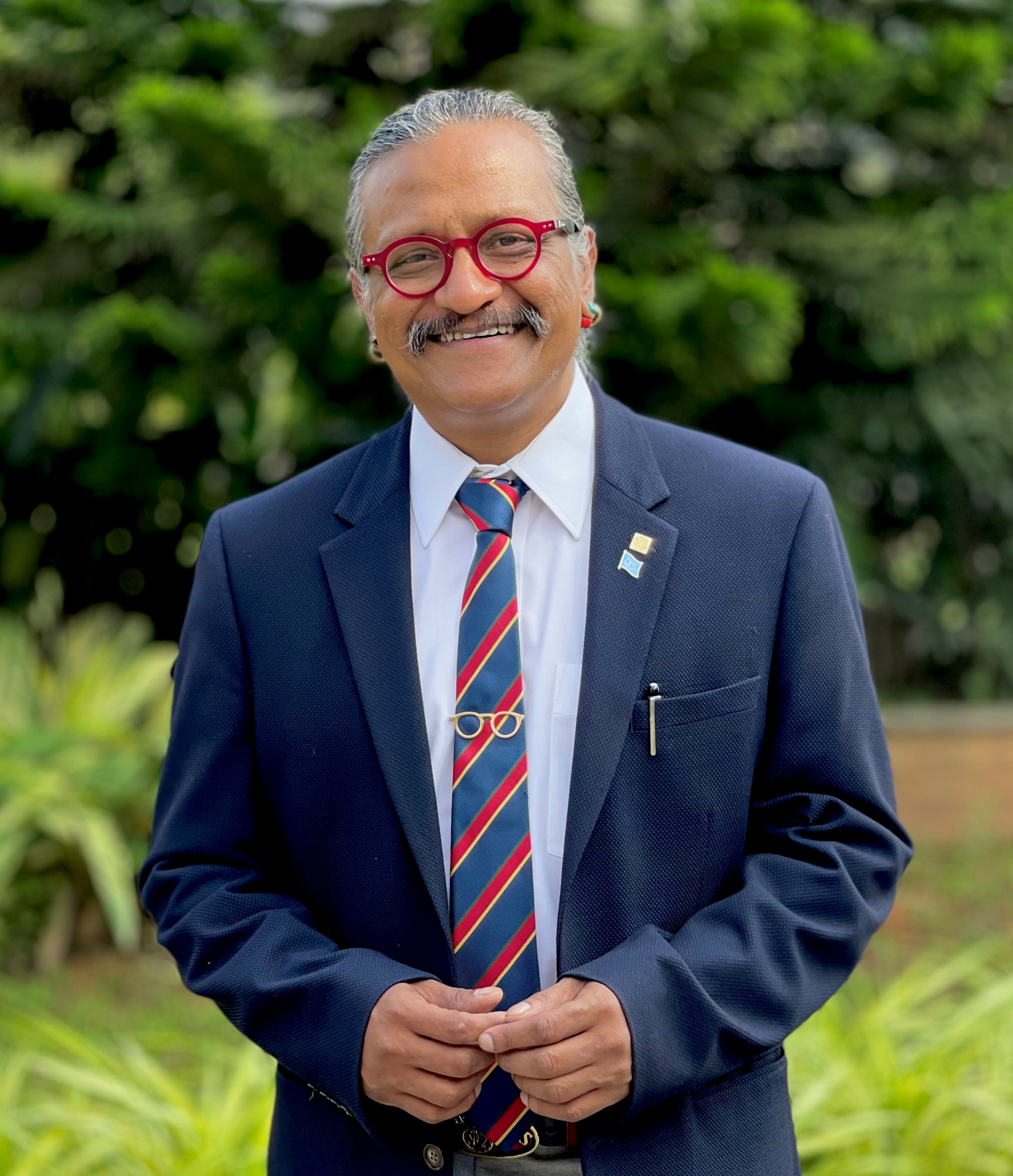
By Sattyakee D’com Bhuyan (A close associate of The Storm himself, friend and brother)
He carried both sweetness and fire in his cup, sipping from life as if moderation were an insult to the storm he was. To say Zubeen Garg belonged to Assam is to limit him, to tie a tempest to one valley, one city, one generation. He was Assam, yes, but he was also every trembling leaf in the Northeast, every forgotten folk tune hidden in the mountains, every heartbeat that dared to beat differently.
I had the rare fortune of walking beside him, both on stage and behind it, in films and in theatre, in the quiet of conversations and in the noise of rehearsals that stretched till dawn. And I can tell you this, Zubeen was uncompromising, a spirit so untamed that even the word “freedom” seemed too small to house him. Where others calculated, he leapt. Where others hesitated, he spoke. Where others bowed, he stood taller, even if it meant standing alone.
His voice was not just an instrument, it was a shrine. When he sang, it felt as if Goddess Saraswati herself had taken shelter in his throat, blessing us with a music that was both divine and disarmingly human. That voice carried tenderness and rebellion together. It could soothe like a mother’s lullaby and sting like truth hurled at hypocrisy. In every note, there was both fire and prayer.
We lived wildly too, not just in art but in life. The long nights, the laughter that spilled into dawn, the bottles emptied as if they held some secret to the universe. For me, the road led to a reckoning, well I sought help, I learned to wrestle my demons. But Zubeen was different. He was the whirlwind and he was the STORM. Where I chose shelter, he chose the open skies. He lived in the storm because he WAS the storm, impossible to contain, impossible to still.
These days, people talk endlessly about empathy, sustainability, inclusivity, as if they were fashionable garments to wear in public. But Zubeen lived them before they were slogans. He wore empathy not as a performance but as skin. His love for trees was not poetic, it was practical and real. Animals trusted him, as if sensing a kinship, as if he was less human and more elemental, closer to the earth’s original design.
He belonged to every culture he touched, and he touched them all. His respect for Bihu and folk traditions was as fierce as his embrace for western music. He loved Sting and we did have discussions around his music in detail. Moreover, he could slip from the lilting strains of a folk ballad into the frenzy of a guitar riff without ever losing his truth. He did not blend cultures to make them palatable; he honored them, uplifted them, made them sing together without losing their accents. That was his genius, he was a bridge that never diluted either side.
Gutsy, huh, that's a small word for him. He was indomitable. He stood by truth even when it cut him. He was often misunderstood, often judged, but never silenced. I have seen him walk into rooms where compromise was the norm, and I have seen him scatter that comfort with a single fearless sentence. That was his power. He was not here to be liked, he was here to be true. And yet, beneath the storm, there was always the man. Helpful, soft, impossibly artistic in the smallest of gestures. He would notice a fellow artist struggling and lend a hand, not for applause, not for credit, but simply because he could not look away from another’s pain. He gave more than he ever received. Be it an accident on the road or someone suffering. His art was not about him, it was about us, about the collective pulse he carried like a drummer inside his chest.
Zubeen was never predictable. He was as restless as the Brahmaputra in monsoon, as still as its winter reflection, as sudden as its floods, as eternal as its depth. That is why one cannot predict what Guwahati will feel like when his body returns home. Will there be silence? Will there be a frenzy? Will the city collapse into grief or explode into music? Nobody knows.
All I can pray for is his eternal peace in rhythm and that amidst the chaos of farewell, Assam remembers the gift and not just the loss. That people carry forward not just his iconic image, but the living storm that he was, the storm that still beats in our veins. Because Zubeen does not end with death. He cannot. Storms don’t die; they move, they transform, they settle into the roots of trees, into the currents of rivers, into the voices of those who dare to create without fear.
And so, as the city waits for him, as Assam prepares to embrace its storm one last time, I end with a thought that is as unpredictable, as uncommon, as he was. When his mortal body arrives, perhaps the Brahmaputra will rise an inch higher, perhaps the trees will bow their heads, perhaps the animals he loved will pause in remembrance. Perhaps nothing visible will happen at all. And yet, in every heart, in every soul, he will arrive not as a body, but as an echo that refuses to fade. For Zubeen is not a man to be buried. He was a storm. And storms do not rest in graves, they keep circling the skies, unsettling the air, reminding us to stand, to sing, to live uncompromisingly. And so, as the city waits and the skies watch, Zubeen returns not merely in body, but in the currents of Assam’s own lifeblood.
Just as he manifested, Zubeen has flowed into the mighty Brahmaputra, not as a man, but as a current of sound and fire. The Brahmaputra will bear him onward, unyielding, unstoppable and eternal. In its waves, in its roar, in its quiet reflection at dawn, he will live. The storm may have touched the earth, but the river carries him forever, and in its whispered current, Assam will hear him sing again.


.jpg)








 (1).jpg)


