THUMBPRINTNE SERIES: CHILDHOOD TALES
THE ROMANCE OF UZAN BAZAR: PART I
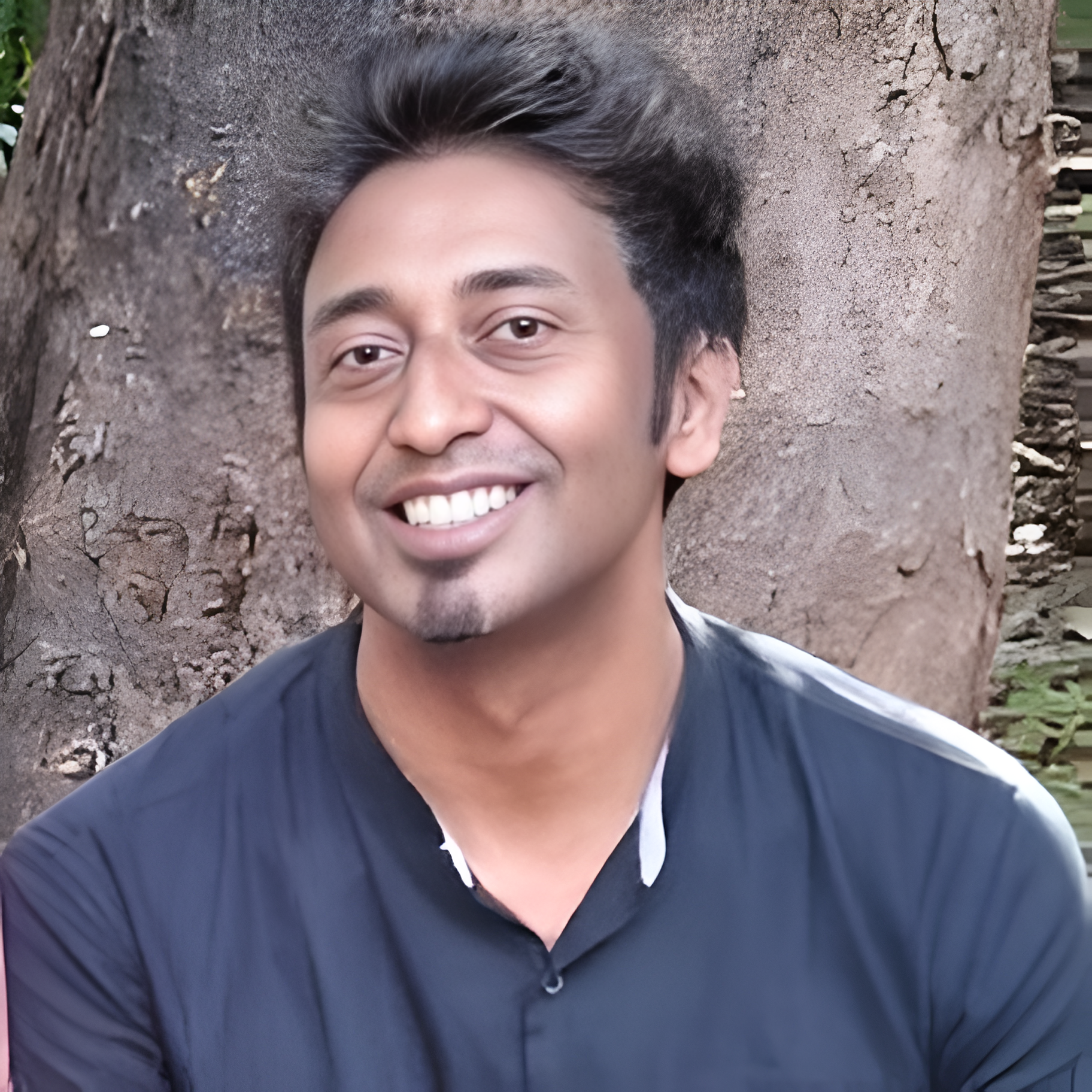
Sattyakee D’com Bhuyan reminisces on his childhood in this heritage-laden locality of Guwahati
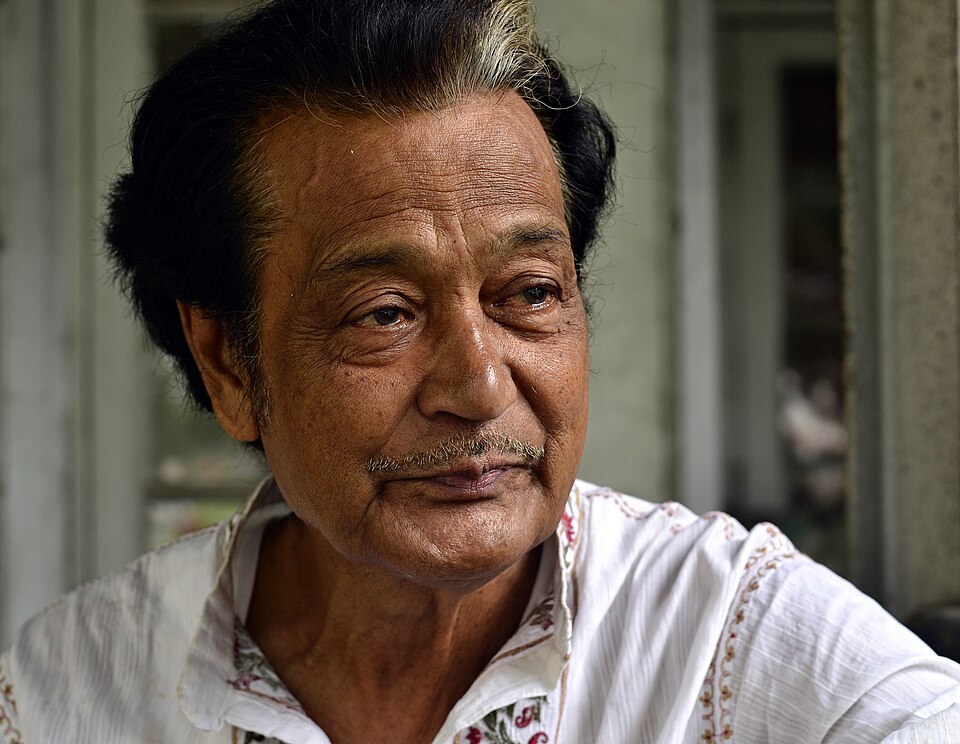
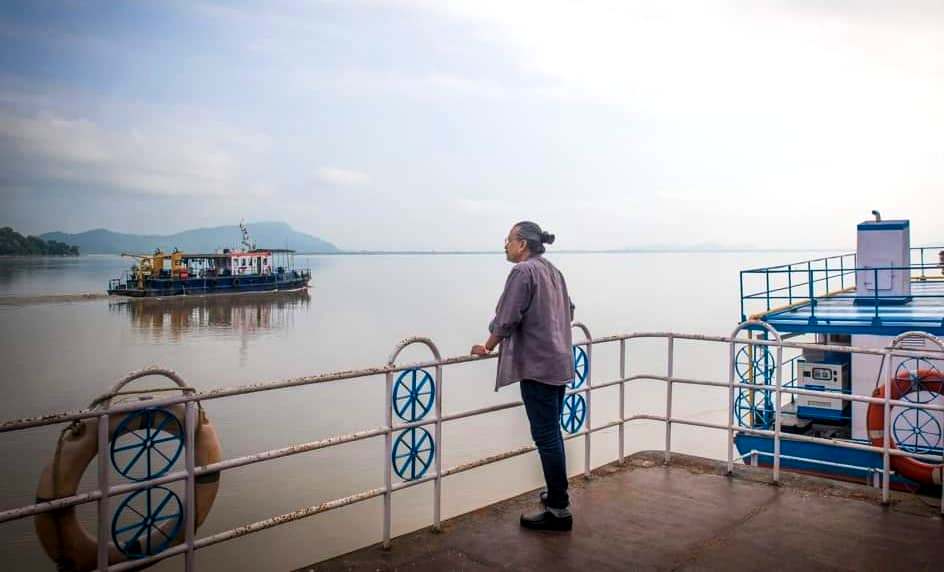
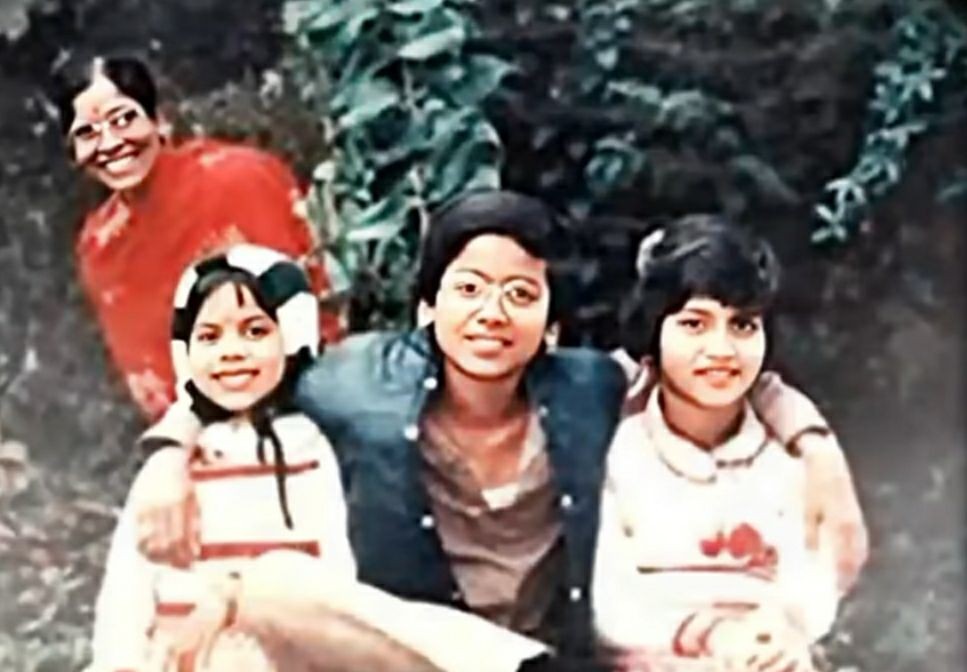
The Uzan Bazar of the early 1970s was a world untouched by the frenzy of modern technology, a time when life was lived in its truest essence, natural, real, and profoundly romantic. It was here, at 6, Bhuyan Howely, that I grew up, under the nurturing presence of my parents, the legendary actor, filmmaker, and broadcaster with All India Radio, Late Dhiru Bhuyan, and my mother, Reeta Bhuyan. We did not have mobile phones or the distractions of digital screens. Our days were marked by the rhythm of the city’s natural sounds, the chirping of birds at dawn, the ringing of temple bells, the calls of vendors pushing their carts through the narrow lanes, and the resonant voice of my father recording plays for All India Radio. Life was simpler, yet far richer in experience. Uzan Bazar, the oldest locality of Guwahati by the banks of the Brahmaputra, bore the prestigious pin code ‘1’ (781001), a marker of its historic and cultural significance.
Everything we needed was at walking distance. Cotton College, where I later studied, stood in all its grandeur as the intellectual hub of Assam. Before that, my formative years were shaped at Faculty High School, which once stood opposite Rabindra Bhavan, a majestic cultural landmark that hosted some of the finest artistic performances. Now, that very school has moved to North Guwahati and replaced by an enormous RCC structure, a concrete monster that denies us the joy of showing our children the very classrooms where we once learned and dreamed.
The District Library and Handique Girls’ College stood as prominent institutions, buzzing with youthful energy, while the nearby hostels near Dighali Pukhuri and Latasil Ground brimmed with stories of students who left their homes to chase knowledge and ambition. Latasil Ground itself was a playground of legends, a site where history, sports, and theatre intertwined seamlessly. Landmarks of governance and heritage were interspersed through our walks, the High Court, the Assam State Museum, the prestigious MCME School, and the reputed institutions of St. Mary’s School, Don Bosco High School, Kamrup Academy, and Cotton Collegiate School. These places weren’t just educational institutions; they were temples of learning, discipline, and friendships that would last a lifetime. Culturally, Uzan Bazar was a thriving nerve centre. My father was a founding member of Porgoti Shilpi Sangha, a collective that became synonymous with artistic and cultural evolution. Nearby, New Art Players, then at Jorpukhuri, and Surjya Club, along with the historic Kumar Bhaskar Natya Mandir, one of the oldest auditoriums in Assam, shaped the city’s artistic soul. Theatre rehearsals, performances, and impromptu storytelling sessions defined our evenings. Later, the addition of the Guwahati Planetarium brought a touch of modern science to our heritage-laden locality, though its presence still felt like a new guest in our time-honored neighbourhood. Religious diversity added to the vibrant tapestry of this locality. The Mosques in Uzan Bazar and Ambari echoed with soulful prayers, while the Ganesh Mandir near the High Court and the revered Ugratara Mandir, one of the significant Shakti Peeths, held centuries of faith within their walls. The sacredness of the region was deeply embedded in its very air, where myths and legends intermingled with daily life.
If Uzan Bazar had an amphitheatre, it was the fish market. Near the Brahmaputra Ghat of Uzan Bazar, the fish auction market, over 200 years old, stood as a testament to the city's ancient trade. The smell of fresh catch, the shouts of fishermen, and the rustic charm of this place remain etched in my memory. Here, time seemed to slow down, allowing one to witness traditions passed down through generations. It was where mornings began with shouts that could rival any Greek tragedy and negotiations that had the rhythm of classical raagas. A symphony of smells, shouts, squishy footsteps, and silver-scaled drama I would say. One fine morning, as I tagged along with my father, we stopped to buy “Rou”, his favourite. The fishmonger, Hari, known for his bare chest, gamusa-tied forehead, his thunderous voice, and a red thread on his wrist that he said was blessed by Umananda’s baba, was in rare form. A customer had asked if the fish was “fresh,” and started poking and checking the operculum (The Bony Gill Flap), the anal fin and poking along the lateral line. “Fresh? Kiyo Tippi asey? Baperor harmonium pasey neki? Address to di zauk, nachee nachee goi gorom keharret jopiyaie dibo.” (Why the hell are you poking the fish? You think it’s your father’s harmonium, haan? Just leave your address with me and she will dance all the way and jump into your hot frying pan. This fish swam in the Brahmaputra last night and dreamt of your curry this morning!” he declared. The laughter that followed united everyone, shoppers, vendors, even the crows waiting for scraps. The fishmongers of Uzan Bazar aren’t just traders, they were and still are performers, poets, and philosophers. Their stalls, reeking of fish and wit, were stages for comedy, melodrama, and sometimes, tragedy, submerged in alcohol. I would call it the Great Fish Market Opera.
Uzan Bazar was home to many cultured families, the Bhuyans, Hazarikas, Choudhurys, Chakrabartys, Das’, Baruahs, Talukdars, Phukans and countless others who upheld the city’s literary, artistic, and intellectual legacy. But it was also a place where darkness lurked in its corners. Some of the most feared goons of Guwahati belonged to Uzan Bazar, making it a no-go zone for many those days. At one point in time, the mere mention of Uzan Bazar evoked fear; even rickshaw pullers hesitated to venture into its labyrinthine lanes, whether by day or night. The infamous Zanzar (Uzan Bazar) gundas or the so-called goons also had a code, a strange, almost a sweet poetic honour among misfits. I remember one rainy afternoon, and the smell of wet earth mingled with frying pakoras from Nilakantha, a tea stall. I was probably around 12 or 14. A commotion broke out near the corner where the tea stall doubled as the local adda for some of the most feared faces in the city. There had been an attempted bag-snatching near the “chari pathor mor”, four-way intersection near the bazaar. Before the police could even respond, two of Uzan Bazar’s infamous local dons had cornered the thief near the alley leading to the fish market. I watched, wide-eyed, as the thief was held by his collar and paraded to the ghat road, where he was made to apologise to the lady in question. “This is Uzan Bazar. We own this place. No one misbehaves with our people here,” one of them thundered, before giving the thief a light slap, more performative than punitive, and letting him go with a stern warning. Oddly enough, the next day, they were back at the tea stall, sipping Ronga Cha, discussing Indira Gandhi’s policies like seasoned politicians. The moral compass of Uzan Bazar’s goons was skewed, but surprisingly intact. And if an outsider was involved in eve- teasing, his day was made!
And yet, for those of us who belonged to this place, it was our sanctuary. We grew up with a strong sense of guidance and community. The locality was one big family, where every elder had the authority to discipline a child, where laughter echoed through courtyards, and where respect for tradition was ingrained in our very being. Growing up in Uzan Bazar was an experience that cannot be replicated. It was a world where letters were handwritten, stories were narrated under the soft glow of lanterns, and friendships were formed over endless walks through historic lanes. We cherished every festival, every drama performance, and every sunrise over the Brahmaputra. It was a childhood where simplicity was celebrated, where beauty was found in the everyday, and where we learned to appreciate the value of things that were natural, real, and truly romantic. The Christ Church and Judges Field added to the old-world charm of our neighbourhood, standing as reminders of Guwahati’s colonial past and its evolving history. The Guwahati Town Club, with its rich legacy in sports and social gatherings, was a place where camaraderie flourished. Amidst all this, the Assam-type houses, like the one we Bhuyans still reside in, stood as emblems of architectural elegance, blending seamlessly with the majestic red waters of the Brahmaputra that flowed beside us. The Governor’s House, perched atop the hill, once served as the Steamers Company’s Office and even boasted a swimming pool, an unheard-of luxury in those days. And who could forget the romantic charm of Hotel Bellevue, owned by the Choudhurys? It was more than just a hotel; it was a landmark, a meeting place for dreamers and thinkers, now lost in the pages of history.
Even today, when I walk through the streets of Uzan Bazar, I can hear the laughter of our childhood, the distant echoes of my father’s voice recording a new script, and the endless conversations under the moonlit sky. Uzan Bazar is not just a place, it is a feeling, a memory, a love that never fades. To those who never knew this Uzan Bazar, it may seem like a world long gone. But for those of us who lived it, it remains alive in every breath we take, in every story we tell, and in every nostalgic memory we revisit. This was home, this was life, and this was our Uzan Bazar, etched forever in the heart of old Guwahati. Life in Uzan Bazar was painted with hues of cultural vibrancy and an unwavering sense of community. We celebrated every festival like one large family, whether it was the soulful beats of the dhol during Bihu, the glimmering diyas of Diwali, the reverence of Durga Puja, or the communal feasts during Eid. The very air we breathed was infused with the spirit of inclusivity and shared celebrations. The evenings were magical. The streets would come alive with children playing ‘guti,’ marbles, or ‘gulli danda,’ while elders sat by their doorsteps, sharing stories that carried the wisdom of generations. The joy of a simple stroll to Latasil Ground or an impromptu visit to Dighalipukhuri for a swim felt like an adventure in itself. Ice cream vendors with their signature bell chimes, peanut sellers with warm packets wrapped in old newspapers, and the occasional street magician made our world an enchanting place.
Cinema was another form of magic. While theatre thrived at Kumar Bhaskar Natya Mandir and Porgoti Shilpi Sangha, films were an integral part of our childhood. Sunday mornings meant rushing to catch the latest film in Vandana Cinema or a classic on Doordarshan, and an evening outing to a park or a church was a grand affair. We did not have the luxury of OTT platforms or instant streaming; watching a film was a treasured event, complete with discussions that carried on for days. Though times have changed, the echoes of that era still linger. The walls of Uzanbazar whisper stories of a time when life was unrushed and love was expressed in letters rather than texts. We belonged to an age where human connection was the greatest treasure, and the warmth of a neighborhood felt like an embrace from a thousand hearts.
Let me put it this way, once, Guwahati was a stage where every lane had its own soul and script, every adda was an unscripted performance, and every face in areas like Uzanbazar, Panbazar, Silpukhuri, Rehabari and Machkhowa was part of a familiar ensemble. Of course, we were lucky not to witness floods like today within a cityscape. Growing up in Uzan Bazar felt like home beyond four walls, and Panbazar was where young minds met, debated, and dreamt over endless cups of tea. Today, the city rushes forward, but in its hurried footsteps, the echoes of those golden days of us growing up is fainter like a poignant monologue lost in the noise of an unfeeling crowd. Similarly, today, the city's lights are brighter, but the warmth of its old charm flickers like a forgotten backstage bulb, dimming, yet never truly gone.
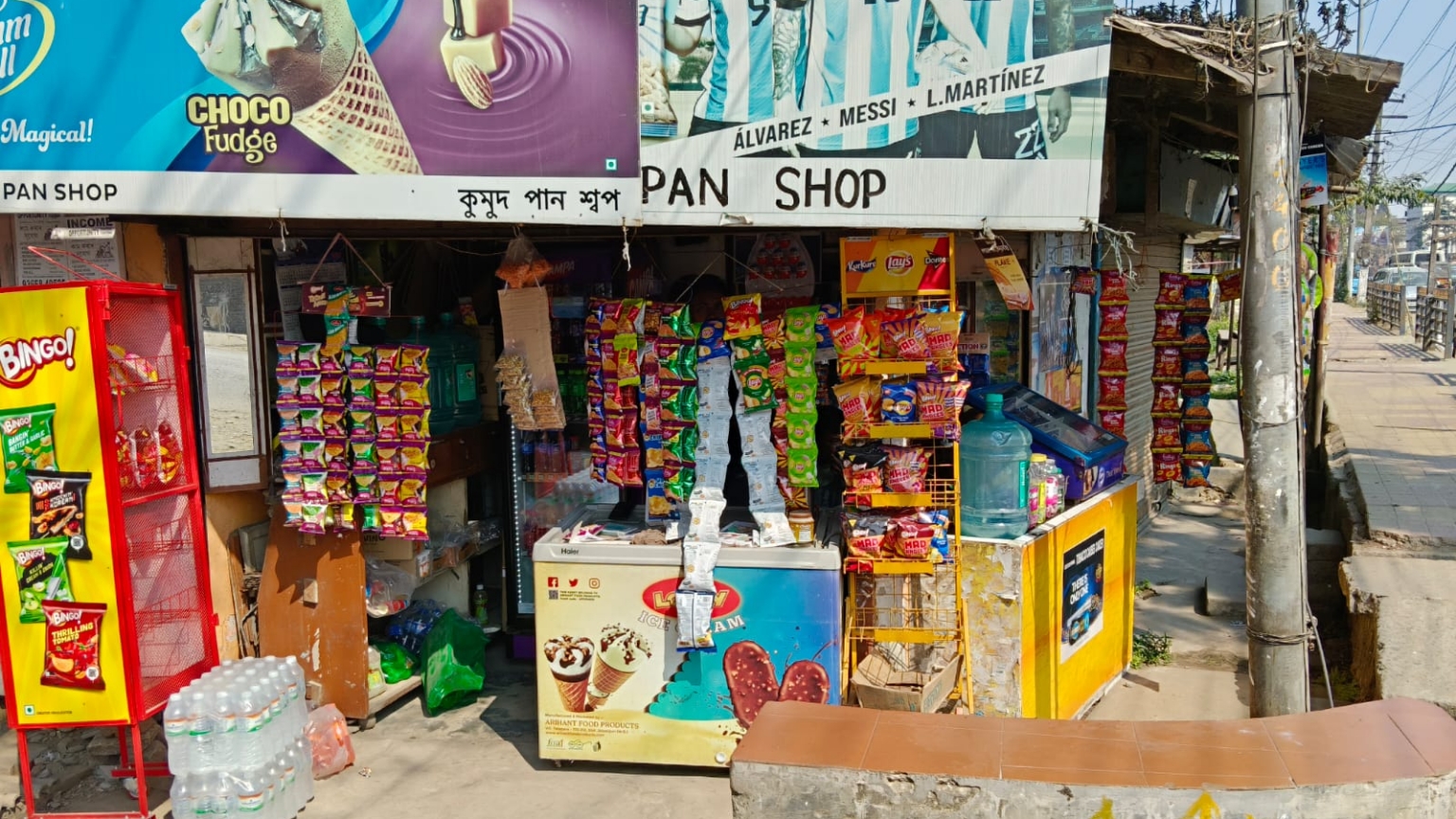
Among the many tales of Uzan Bazar is one of Rezzak the Tailor and the Tale of the Runaway Blouse. Uzan Bazar’s tailoring scene was a league of its own. And at the centre of that world stood the irreplaceable Rezzak Tailor, the ladies’ tailor with nimble fingers, a silver tongue, and a measuring tape perpetually hanging from his neck like a ceremonial garland. His tiny shop nestled between Rahman’s paan shop and a Gala Maal Dukan was always filled with the murmur of gossip, the whirr of the sewing machine, and the scent of new fabric. Rezzak was a magician with fabric and a therapist to countless women of the neighbourhood and the city per say who trusted only Rezzak to give shape to their silks, chiffons, and, sometimes, their heartbreaks. One afternoon, my mother returned home from Rezak’s shop, half amused and half exasperated. Apparently, a newly married non-Assamese woman had brought in a heavily embroidered blouse material, part of her trousseau, insisting it be stitched with a daring backless cut. Rezzak, after much theatrical eyebrow raising and a dramatic “Aree, Yeh toh cinema style ho giyaa!” and he obliged. The next day, it seems the woman’s mother-in-law arrived with the blouse in hand, scandalised and fuming. “Yeh kya banaya tumne? Poora peth dikh raha hai!” she cried. Rezzak, without missing a beat, placed his hand on his heart and replied unfazed, with utmost sincerity, “Amma, fashion is changing fast, and I only stitch fabric, not values. That, you must do at home.” That line made its way across dinner tables, paan stalls, and even the fish market. One of the fishmongers joked later, “That blouse showed more back than my fish show their stomachs” and the market roared in laughter.
Today, the city rushes forward, but in its hurried footsteps, the echoes of those golden days grow fainter, like a poignant monologue lost in the noise of an unfeeling crowd.

.jpg)





 (1).jpg)